
The Horse Bridge
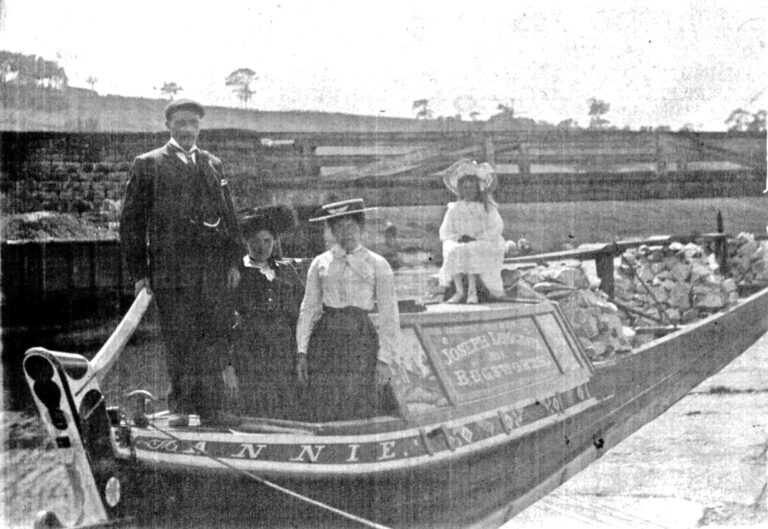
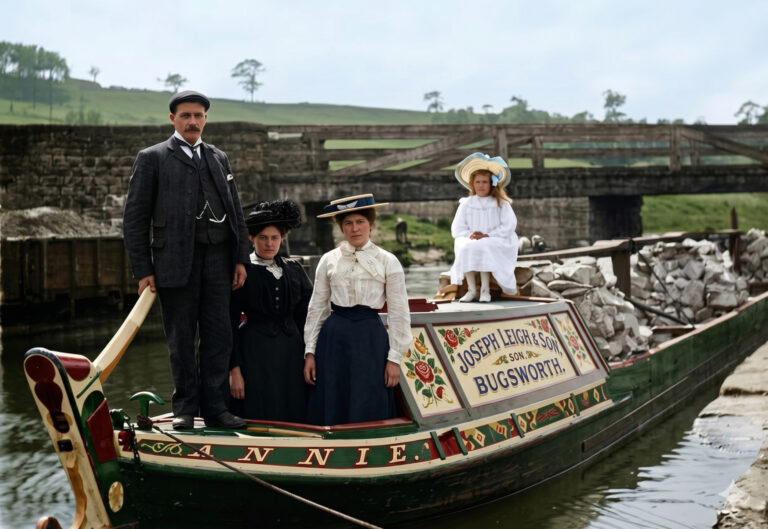
The Horse Bridge you see in this image is the original construction. The one you see on site today is a dedicated, forensic replication built directly over true Victorian masonry.
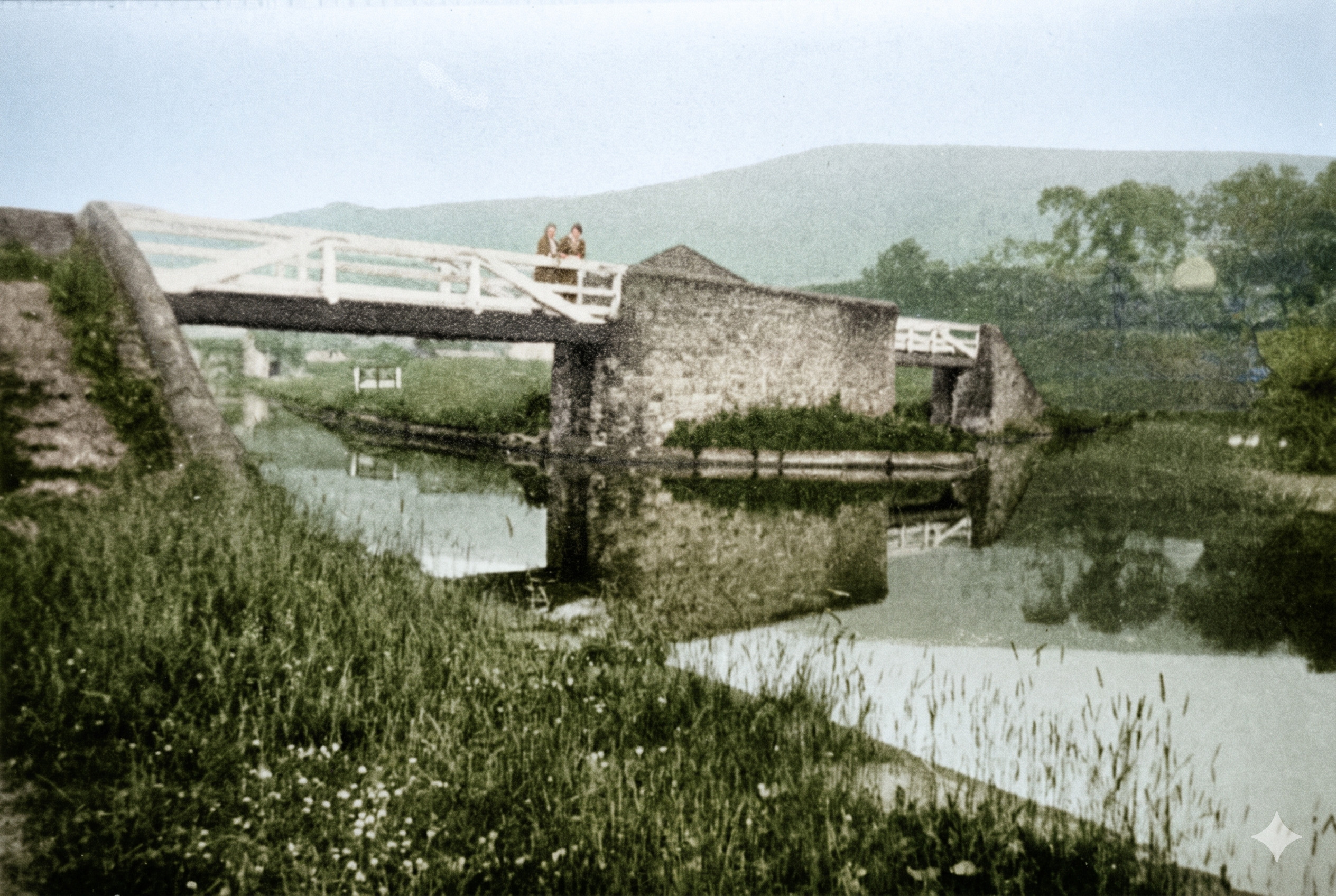
Enhanced image of the original horse bridge configuration around the 1920s. (Click image to expand)
Horses could cross over intersecting canal arms at Bugsworth, letting them reach different wharves safely and efficiently.
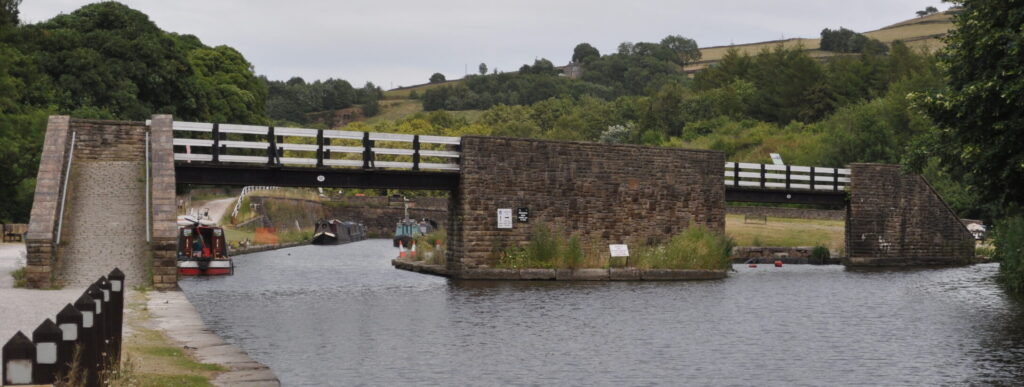
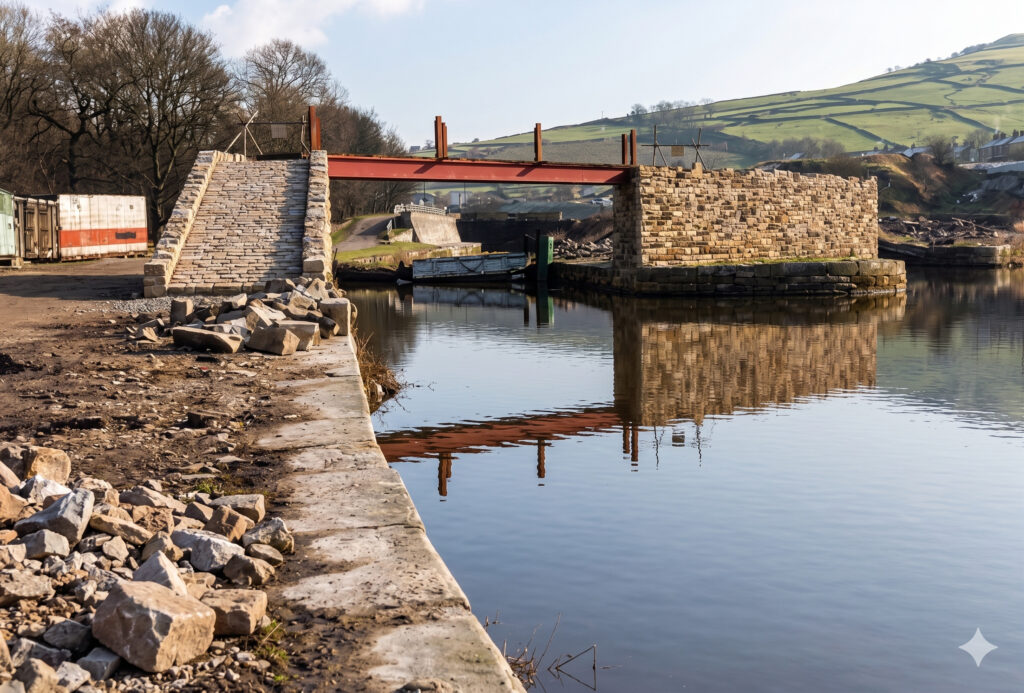
The reconstructed bridge crossing the canal waters. (Click image to expand)
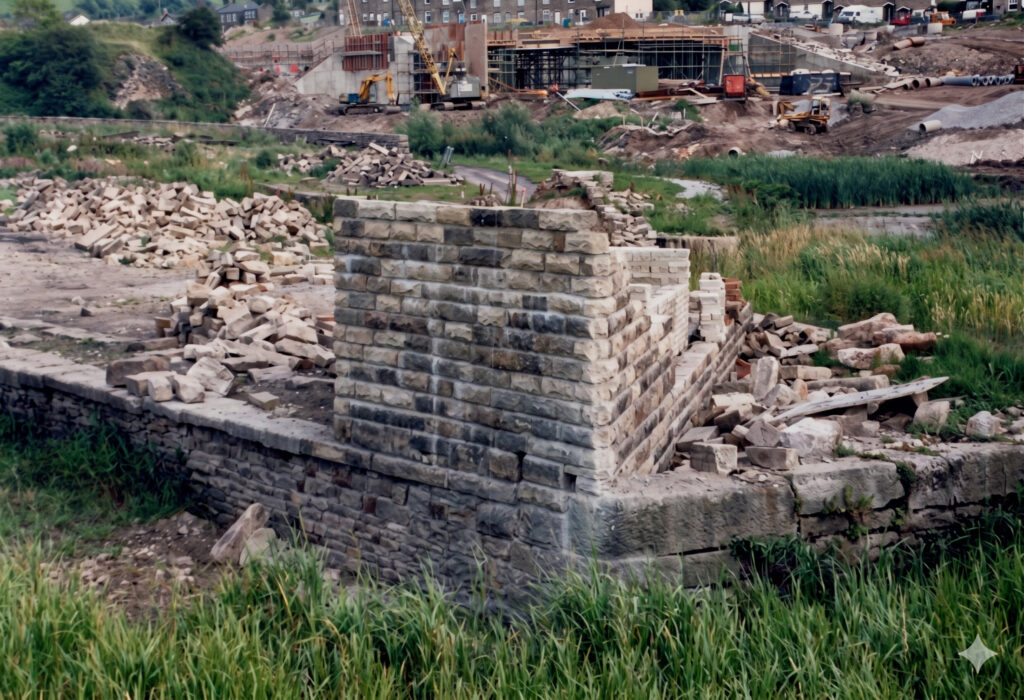
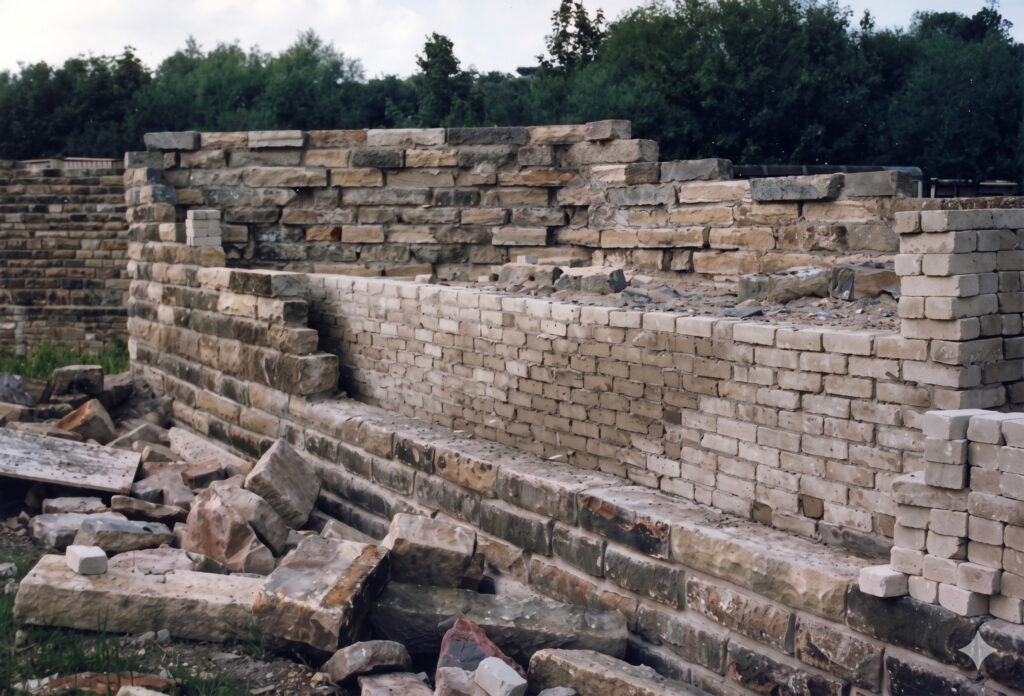
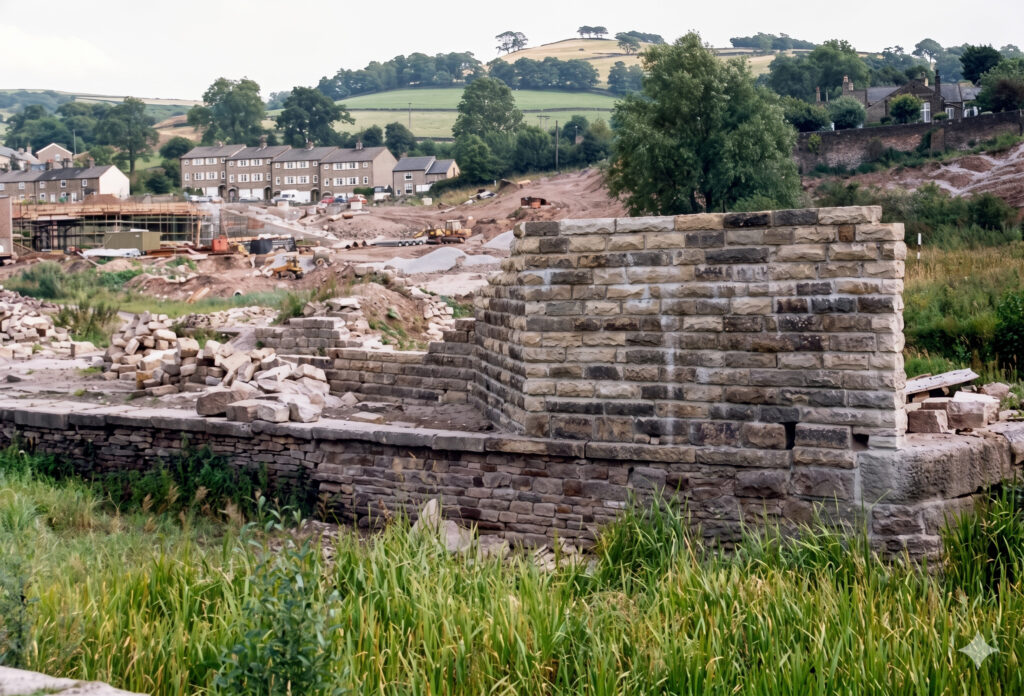
A Proper Team Effort
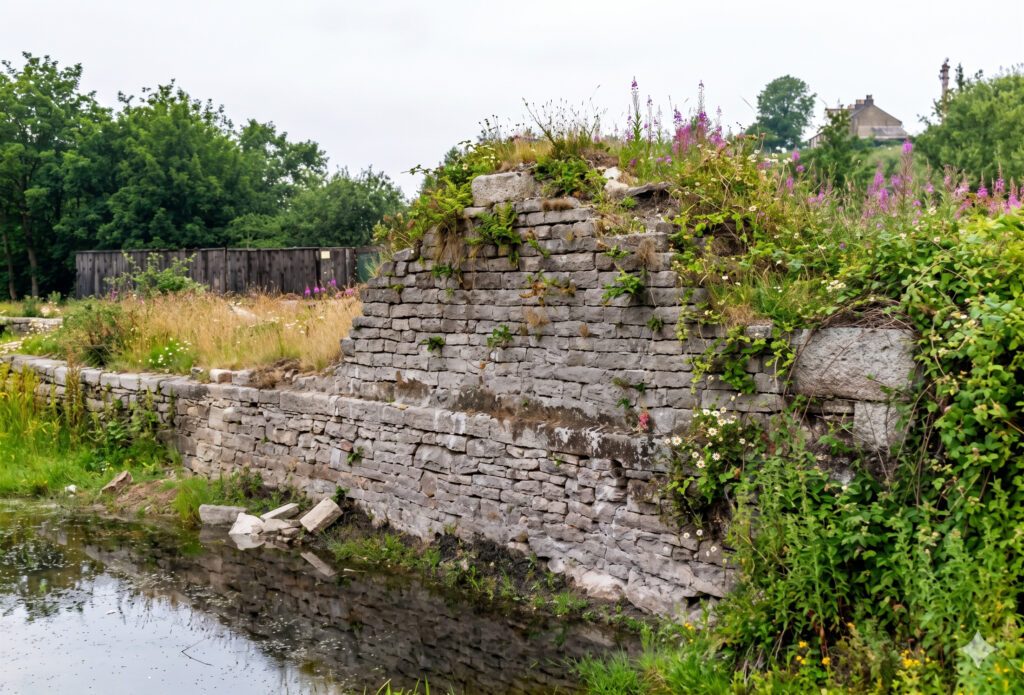
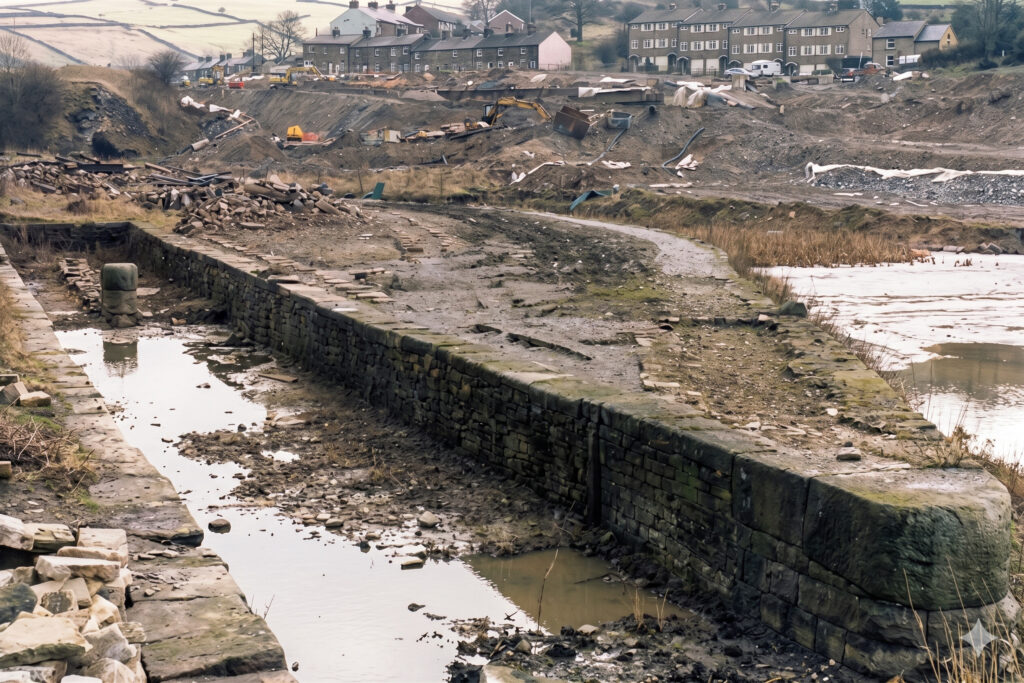
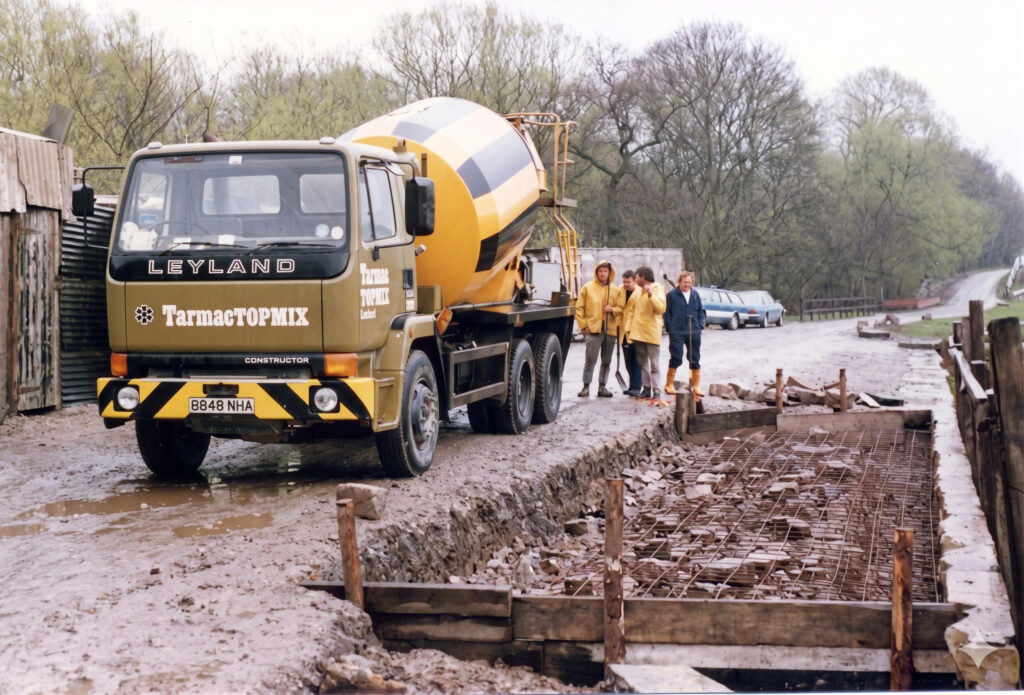
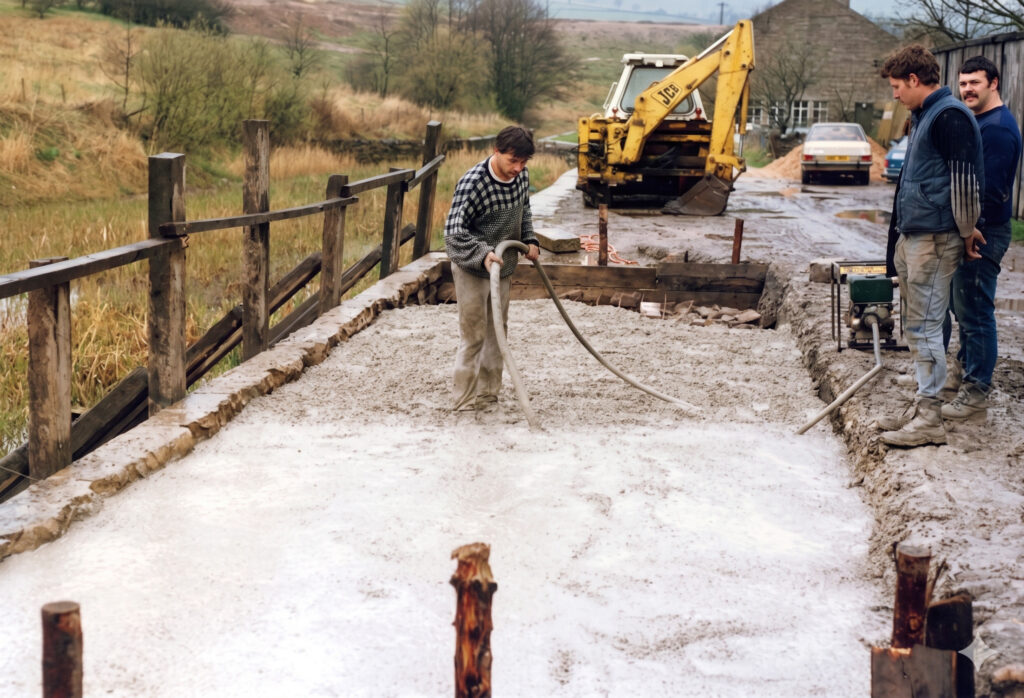
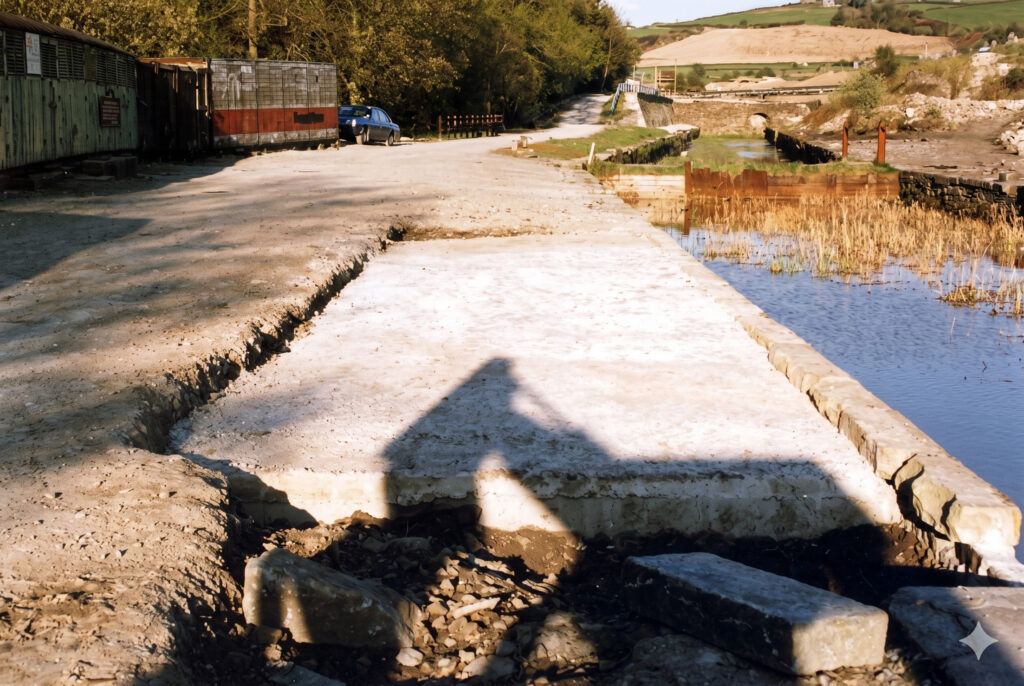
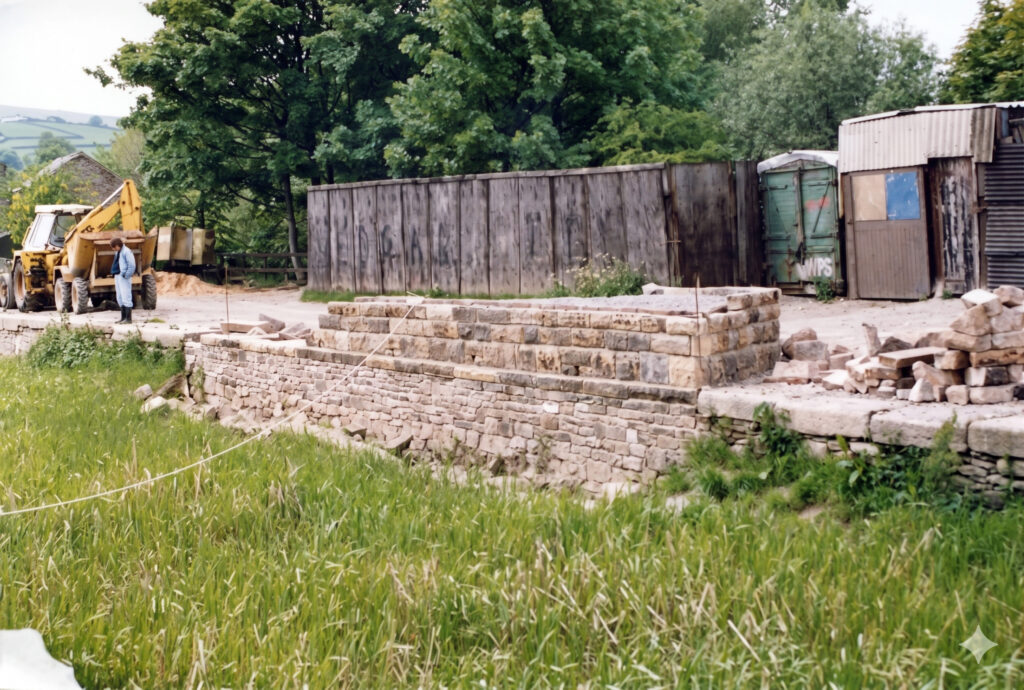
After the original bridge's stone was pillaged over time. Getting this massive bridge back over the water was a proper group effort. The work was split between die-hard canal enthusiasts and local folks completing community tasks as part of the government benefits system. It turned out to be a fantastic setup—it gave people a real chance to learn rare, old-school trades like traditional stonemasonry and heritage timber framing right here on the job. What started out as a standard community work project ended up leaving behind a beautiful, lasting landmark that the whole village can be proud of.
Walking Discoveries:
Engineering: Height and Clearance Changes
If you look closely at the modern bridge, you might notice it sits higher than the original. The structure was deliberately engineered taller than its 19th-century predecessor due to a critical "Leisure Craft" adjustment. Original Victorian working commercial narrowboats were open-topped or built with exceptionally low-profile cabins. Modern canal boats, however, carry high wheelhouses and cabins that would have been cleanly decapitated by original clearances. When volunteer teams set out to reconstruct the bridge in the 1980s, they strategically elevated the timber arch to ensure the basin remained safely accessible to modern cruisers.
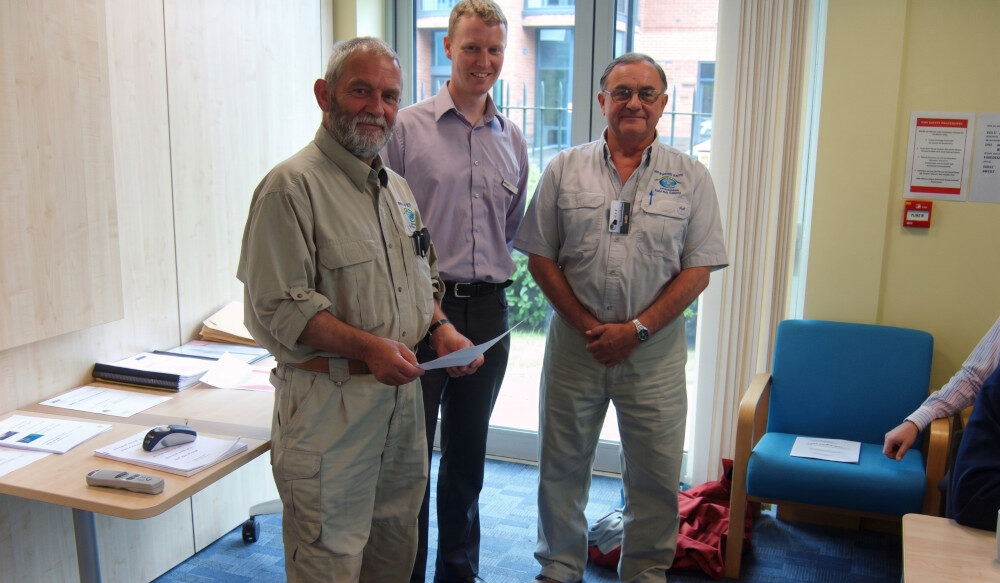
Ian Edgar (left), Unknown (centre), Don Baines (Right). (Click image to expand)
📐 The Blueprint Legacy: Don Baines
The primary architectural research and meticulous draughtsmanship behind this reconstruction were conducted by Don Baines—a legendary figure in the Inland Waterways Protection Society (IWPS) and dedicated editor of the magazine 174 for more than three decades. His precise engineering drawings and reconstruction blueprints are preserved today inside the National Waterways Museum in Ellesmere Port (Canal & River Trust Archive, referenced under the CRT/BBA collection), representing a masterwork of forensic industrial archaeology. Sadly, like many of the dedicated volunteers who worked to restore the basin, Don has passed away. Before his passing, we were fortunate enough to chat with him, during which time he generously granted us use of his personal images to help tell the story of Bugsworth’s history.